Keynote Address: What is the Future of Nutrition Education?  The Next Generation Speaks and the Clinician Responds! (SA10)

General Session

Date & Time:

February 14, 2026

1:00 PM – 2:15 PM PT

Format:

In Person & Virtual

CE Credits:

1.0 Hours

UAN: JA0002345-0000-26-002-L99-P

Course level:

Intermediate

session objectives:

What You'll Learn

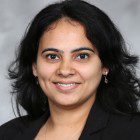
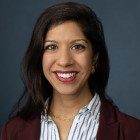
Join us for the kick-off of ASPEN26 with Smriti Mehta and Dr. Maria Mascarenhas who will address the future of nutrition education.

Ms. Mehta is a student and community health advocate passionate about making nutrition education accessible and evidence-based. As Chair of the Pleasanton Unified School District’s Nutrition Committee, she has led policy changes reaching thousands of students, from introducing healthier breakfast options like overnight oats to launching a districtwide Nutrition Week. She is also the founder of BiteBalanced, a blog with over 60,000 readers that explores the biochemical and socioeconomic factors shaping food choices, and the author of Ella Eats, a children’s book that promotes healthy habits at a young age. Smriti’s work connects nutritional science, behavioral research, and policy design to build healthier, more equitable food systems.

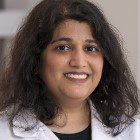
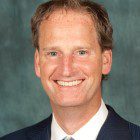
Dr. Mascarenhas is a pediatric gastroenterologist in the Division of Gastroenterology, Hepatology, and Nutrition at the Children’s Hospital of Philadelphia (CHOP) and a Professor of Pediatrics at the Perelman School of Medicine at the University of Pennsylvania.

She is currently the Section Chief of Nutrition in the Division of Gastroenterology, Hepatology and Nutrition, Medical Director of the Clinical Nutrition Department, and Medical Director of the Integrative Health Program.

Dr Mascarenhas received her medical degree from St John’s Medical College in India and completed her pediatric training at Downstate Medical Center in Brooklyn and Texas Children’s Hospital in Houston. She completed her fellowship in Pediatric Gastroenterology and Nutrition at Children’s Hospital of Philadelphia and a fellowship in Integrative Medicine at the Andrew Weil Center for Integrative Medicine. Additional trainings include pediatric massage and clinical hypnosis. She is board-certified in Pediatrics, Nutrition and Pediatric Gastroenterology.

Dr Mascarenhas is an experienced clinician, educator, international speaker and is widely published. Her research areas include cystic fibrosis, nutrition support, 22q11.2 deletion syndrome and integrative medicine.

Learning Objectives:

  • Explain the societal costs of poor nutrition, including effects on learning outcomes and healthcare spending.
  • Summarize how community-based nutrition programs (such as the Edible Schoolyard) apply interprofessional approaches that integrate education, public health, and clinical prevention.
  • Develop the view that healthcare team education in nutrition education is an essential component of improving population health and reducing disease burden.
  • Describe the scientific foundations of integrative nutrition and the role of food as medicine in promoting health and managing disease.
  • Identify the role of cultural practices on dietary patterns and their implications for patient-centered nutritional care.
  • Apply evidence-based integrative nutrition strategies, including food-as-medicine approaches, to clinical practice for improved patient outcomes.

Topics & Presenters

Redefining Health: Why Nutrition Education Matters

Smriti Mehta

Student and Community Health Advocate

Pleasanton, CA

Integrative Nutrition: Evidence-Based Foundations, Cultural Perspectives, and Clinical Practice

Maria Mascarenhas
Maria Mascarenhas
MBBS

Medical Director

Integrative Health Program, Children's Hospital of Philadelphia

Section Chief

Nutrition, Children's Hospital of Philadelphia

Professor of Pediatrics

Perelman School of Medicine, University of Pennsylvania

Philadelphia, PA

Physician Preconference Course • Comprehensive Nutrition Therapy: Tactical Approaches in 2026 (PHY-2026)

Preconference Course

Additional Fee

Date & Time:

February 14, 2026

7:00 AM – 12:30 PM PT

Format:

In Person & Virtual

CE Credits:

5.0 Hours

Course level:

Intermediate

Breakfast and Lunch Provided

session objectives:

What You'll Learn

This course is designed to engage physicians who integrate nutrition into their patients’ treatment plans and underscore its impact on patient outcomes. Sessions will cover nutrition care in patients with liver disease, malignancy, gastrointestinal disease, obesity, and trauma/critical care. The course will conclude with presentations of complex clinical case vignettes by an expert panel. It is open to all healthcare professionals; 5 CME credits are available for physicians only.

  • Summarize evidence-based nutrition care strategies in a variety of disease states.
  • Examine the impact of nutrition on patient outcomes across various care settings.
  • Discuss the role of clinical guidelines in individualized medical nutrition therapy care plans.
  • Assess complex clinical case vignettes and provide unique solutions through stimulated debate and conversation.


Supported in part by

Abbott     Baxter    Nestle Health Science


Students and trainees may attend free with valid proof of status.

Topics & Presenters

Keynote Address: From Fructose to Fatty Liver: Translating Sugar Science Into Smarter Strategies to Support Liver Health

Jennifer C. Lai
MD, MBA, PNS

Professor of Medicine; Endowed Professor in Liver Health and Transplantation

UCSF School of Medicine

San Francisco, CA

Dietary Approaches for Inflammatory Bowel Diseases: Mechanisms and Evidence

Berkeley Limketkai
MD, PhD, FACG, AGAF, FCCF

Clinical Professor of Medicine

Division of Digestive Diseases, David Geffen School of Medicine at UCLA

Director of Clinical Research

Center for Inflammatory Bowel Diseases, UCLA Health

Los Angeles, CA

Fueling the Fight: Nutrition Strategies for Thriving Through Chemotherapy

Zhaoping Li
MD, PhD

Director

UCLA Center for Human Nutrition

Lynda and Stewart Resnick Endowed Chair in Human Nutrition

David Geffen School of Medicine at UCLA

Professor of Medicine and Chief

Division of Clinical Nutrition, Department of Medicine, David Geffen School of Medicine at UCLA

Los Angeles, CA

Medication Therapy for Obesity

Tirissa Reid
MD, DABOM

Clinical Medical Educator

Columbia University Institute of Human Nutrition

Associate Professor

Clinical Medicine, College of Physicians and Surgeons, Division of Endocrinology, New York Presbyterian/Columbia University Irving Medical Center

New York, NY

Enteral Nutrition After Abdominal Trauma: Reusing Broken Things

Meghan Lewis
MD, FACS

Associate Professor of Clinical Surgery

Keck School of Medicine, University of Southern California

Director, Surgical ICU and Director, TPN Services

Los Angeles General Medical Center

Los Angeles, CA

Ethics and the Practice of Medical Nutrition

David Seres
MD, ScM, PNS, DFASN, FASPEN

Professor of Medicine (retired)

Institute of Human Nutrition, Columbia University Irving Medical Center

Past Director of Medical Nutrition

Columbia University Irving Medical Center

Associate Clinical Ethicist

Columbia University Irving Medical Center

New York, NY

Clinical Case Vignettes

Lindsey Russell
MD, MSc, CNSC, FRCPC

Gastroenterologist

Digestive Disease and Surgery Institute, Cleveland Clinic

Cleveland, OH

Moderators:

Jennifer Katz

MD, FACG, PNS

Assistant Professor of Medicine

Gastroenterology and Hepatology , NYU Langone Health

New York, NY

Lindsey Russell

MD, MSc, CNSC, FRCPC

Gastroenterologist

Digestive Disease and Surgery Institute, Cleveland Clinic

Cleveland, OH

Michael Owen-Michaane

MD, MA, CNSC

Assistant Professor of Medicine

Division of Preventive Medicine and Nutrition, Columbia University Irving Medical Center

Assistant Director of Medical Nutrition

Columbia University Irving Medical Center

New York, NY

Pediatric Preconference Course • Human Milk and Substitutes: Beyond the Basics (PPC-2026)

Preconference Course

Additional Fee

Date & Time:

February 14, 2026

7:00 AM – 11:00 AM PT

Format:

In Person & Virtual

CE Credits:

4.0 Hours

UAN: JA0002345-0000-26-001-L99-P

Course level:

Intermediate

Pediatric Content Included

Breakfast and Lunch Provided

session objectives:

What You'll Learn

Explore current research, product information, and practice applications for the use of human milk and human milk substitutes in medically complex pediatric patients. Topics include domestic and international formula regulations and standards, macro- and micronutrient components, human milk use in chronic conditions, thickening, human milk substitutes, formula safety, and donor milk.

Learning Objectives:

  • Compare and Contrast the differences between human milk substitute regulations and standards in the United States versus other countries.
  • Describe the various macronutrient components of human milk substitutes.
  • Explain the use and benefits of human milk in chronic conditions.
  • Outline the rationale for prescribing and options for using or creating a thickened human milk substitute for infants.
Mead Johnson Nutrition Logo_324x100

Topics & Presenters

Infant Formula Regulations in the United States and Abroad

Mark Corkins
MD, FASPEN, AGAF, FAAP

Division Chief and Professor

University of Tennessee Health Science Center

St. Jude Endowed Chair for Excellence in Pediatric Gastroenterology

Pediatric Gastroenterology, Hepatology and Nutrition, University of Tennessee Health Science Center

Memphis, TN

Beyond Protein: The Other Macronutrients

Catherine Larson-Nath
MD, CNSC

Associate Professor

Department of Pediatrics, University of Minnesota Medical School

Director of Intestinal Rehabilitation Program

Pediatric Gastroenterology, Hepatology, and Nutrition, University of Minnesota Medical School

Minneapolis, MN

Non-Cow’s Milk Formulas in the United States and Abroad

Kanika Puri
MD, CNSC

Assistant Professor of Clinical Pediatrics

Pediatric Gastroenterology, Hepatology and Nutrition, Indiana University School of Medicine

Pediatric Gastroenterologist

Riley Hospital for Children at Indiana University Health

Indianapolis, IN

Updates to Regulations and Use of Human Milk in Chronic Conditions

Jacqueline Wessel
MEd, RDN, CNSC, CSP, CLE

Neonatal Nutritionist

Neonatal Intensive Care Unit, Cincinnati Children’s Hospital Medical Center

Cincinnati, OH

Updates on Donor Human Milk and Milk Banking

Ting Ting Fu
MD, MS

Associate Professor

Department of Pediatrics, University of Cincinnati

Attending Neonatologist

Neonatology and Pulmonary Biology, Cincinnati Children’s Hospital

Cincinnati, OH

Infant Formula Contaminants and Safety

Hillary Bashaw
MD, MS

Assistant Professor

Pediatric Gastroenterology, Division of Gastroenterology, Hepatology and Nutrition, Doernbecher Childrens Hospital/Oregon Health & Science University

Portland, OR

Options for Thickening Infant Formulas

Rashelle Berry
MPH, MS, RDN, LD

Nutritionist 3

Children's Multidisciplinary Feeding Program, Children's Healthcare of Atlanta

Atlanta, GA

Moderators:

Anita Nucci

PhD, RD, LD, FASPEN

Associate Dean for Academics

Byrdine F. Lewis College of Nursing and Health Professions, Georgia State University

Professor of Nutrition

Byrdine F. Lewis College of Nursing and Health Professions, Georgia State University

Atlanta, GA

99 Problems and Nutrition is One: Addressing Challenges to Nutrition in Neurodegenerative Diseases (T33)

Breakout

Date & Time:

February 17, 2026

11:00 AM – 12:30 PM PT

Format:

In Person & Virtual

CE Credits:

1.5 Hours

UAN: JA0002345-0000-26-052-L01-P

Course level:

Intermediate

session objectives:

What You'll Learn

  • Summarize recent nutrition-related guidelines and evidence-based interventions related to dementia, amyotrophic lateral sclerosis, and Parkinson’s disease.
  • List options to circumvent drug-nutrient interactions in neurological disease.
  • Navigate the complexities of nutrition-related goals of care discussions.

Topics & Presenters

Overcoming Nutrition Barriers in Neurodegenerative Diseases

Keith Pearson
PhD, RD, LD

Associate Professor of Nutrition Sciences

University of Alabama at Birmingham

Birmingham, Al

Navigating Drug-Nutrient Interactions in Neurodegenerative Diseases

Lingtak-Neander Chan
PharmD, BCNSP, FASPEN

Professor of Pharmacy, Interdisciplinary Faculty in Nutritional Sciences

School of Pharmacy, University of Washington

Seattle, WA

Exploring Ethical Complexities in Neurodegenerative Diseases

Ambereen Mehta
MD, MPH, FAAHPM

Associate Professor

Medicine and Neurology, Johns Hopkins School of Medicine

Baltimore, MD

Moderators:

Stephanie Dobak

MS, RD, LDN, CNSC

Clinical Dietitian III

Jefferson Weinberg ALS Center

Philadelphia, PA

Promoting Positive Health Behaviors in Patients on Home Nutrition Support: Incorporating the Patient’s Voice (T32)

Breakout

Date & Time:

February 17, 2026

11:00 AM – 12:30 PM PT

Format:

In Person & Virtual

CE Credits:

1.5 Hours

UAN: JA0002345-0000-26-051-L01-P

Course level:

Intermediate

session objectives:

What You'll Learn

  • Summarize how patient-centered care and shared decision making exemplify utilizing the patient’s voice.
  • Describe typical sleep disturbances in patients with home nutrition therapies and sleep hygiene strategies.
  • Describe the most important quality of life issues for home nutrition patients discerned from the patient’s voice.
  • Develop strategies to promote positive health behaviors in patients with severe intestinal dysfunction that require chronic nutrition support.

Topics & Presenters

Sleep Hygiene in Patients on Home Nutrition Therapies

Hassan Dashti
PhD, RD, FASPEN

Investigator

Mass General Research Institute

Assistant Professor

Department of Anesthesia, Critical Care and Pain Medicine, Massachusetts General Hospital and Harvard Medical School

Boston, MA

Quality of Life Issues in Patients on Chronic Home Nutrition Therapies

Marion Winkler
PhD, RD, LDN, CNSC, FASPEN

Professor of Surgery

The Warren Alpert Medical School of Brown University

Surgical Nutrition Specialist

Department of Surgery and Nutritional Support, Rhode Island Hospital

Providence, RI

Gut/Brain Axis Impacts on Promoting Adherence to Nutrition Therapy

Christopher Tjoa
MD

Manager Medical Director

Elevance Health

Clinical Assistant Professor of Psychiatry

Perelman School of Medicine, University of Pennsylvania Health System

San Diego, CA

Moderators:

Nancy Stoner

CRNP, MSN, CNSC

Home Nutrition Support Advanced Practice Provider

University of Pennsylvania Health System

Philadelphia, PA

Nutrition in Pediatric Cardiac Disease (T31)

Breakout

Date & Time:

February 17, 2026

11:00 AM – 12:30 PM PT

Format:

In Person & Virtual

CE Credits:

1.5 Hours

UAN: JA0002345-0000-26-050-L99-P

Course level:

Intermediate

Pediatric Content Included

session objectives:

What You'll Learn

  • Identify factors that contribute to malnutrition and growth failure in children with congenital heart disease (CHD).
  • Describe the components of nutrition assessment and optimal nutrient delivery in children with CHD.
  • Explain the rationale for the management of children with complex CHD.

Topics & Presenters

Nutrition Assessment and Goals for Children With Cardiac Disease

Judy Milliano
MS, RD, LD, CNSC

Clinical Nutrition Specialist II

Cardiac Intensive Care Unit, Boston Children’s Hospital

Boston, MA

Nutrition Management and Delivery Approaches in Pediatric Cardiac Disease

Erin Livingston
RN

Clinical Nurse

Pediatric Cardiac Transitional Care, UCSF Benioff Children’s Hospitals

San Francisco, CA

Complex Case #1

Paul McGreggor Crowley
MD

Instructor of Pediatrics

Harvard Medical School

Pediatric Gastroenterologist

Division of Gastroenterology, Hepatology and Nutrition, Boston Children's Hospital

Boston, MA

Complex Case #2

Akash Pandey
MD, PNS, CSN, DABOM, DABCL

Pediatric Gastroenterologist

Center for Digestive Health and Nutrition, Orlando Health Arnold Palmer Hospital for Children

Orlando, FL

Moderators:

Sharon Y. Irving

PhD, CRNP, FCCM, FAAN, FNAP, FASPEN

Miriam Stirl Endowed Term Chair in Nutrition

University of Pennsylvania School of Nursing

Professor of Pediatric Nursing

Department of Family and Community Health, University of Pennsylvania School of Nursing

Philadelphia, PA

Clinical Guidelines for Feeding Tube Placement Verification: How Does Your Practice Measure Up? (T30)

Breakout

Date & Time:

February 17, 2026

11:00 AM – 12:30 PM PT

Format:

In Person & Virtual

CE Credits:

1.5 Hours

UAN: JA0002345-0000-26-049-L99-P

Course level:

Intermediate

Pediatric Content Included

session objectives:

What You'll Learn

  • Describe the findings of the NOVEL NICU scoping review along with recommendations for future directions.
  • Describe the importance of balloon gastrostomy tube replacement verification and techniques required to do so in the case of premature tube dislodgement.
  • Evaluate the progress of NOVEL China, the Evidence-Based Practice of Pediatric Enteral Feeding as a global model for future directions.

Topics & Presenters

Current State of the Science of Nasogastric/Orogastric Tube Placement Verification in the Neonate

Leslie A. Parker
PhD, RN, NNP

Professor and Associate Dean for Research

College of Nursing, University of Florida

Gainsville, FL

Pediatric Nasogastric Tube Placement Verification: Bridging  the Evidence and Real Practice

Gu Ying
PhD

Vice Chair, Pediatric Nursing Committee

Chinese Nursing Association

Nursing Director

Children's Hospital of Fudan University

Shanghai, China

Hot Off the Press: ASPEN Clinical Guidelines for Balloon Gastrostomy Tube Replacement Verification

Gina Rempel
MD, FRCPC, FASPEN

Medical Lead, Pediatric Provincial Enteral Nutrition Support

Pediatric Rehabilitation and Complex Care , Children's Hospital Winnipeg/University of Manitoba

Winnipeg, MB, Canada

Moderators:

Gina Rempel

MD, FRCPC, FASPEN

Medical Lead, Pediatric Provincial Enteral Nutrition Support

Pediatric Rehabilitation and Complex Care , Children's Hospital Winnipeg/University of Manitoba

Winnipeg, MB, Canada

Nutrition and Metabolism Research Paper Session: GI, Obesity, Metabolic, and Other Nutrition-Related Concepts (T23)

Paper Session

Date & Time:

February 17, 2026

9:15 AM – 10:45 AM PT

Format:

In Person & Virtual

CE Credits:

1.5 Hours

UAN: JA0002345-0000-26-048-L99-P

Course level:

Advanced

session objectives:

What You'll Learn

Today’s medical environment demands evidence-based practice, replicable results, and improved patient outcomes. Our abstract authors conduct research to help meet these challenges and provide breakthroughs in our knowledge and in our patient care. These sessions are dedicated to presentations of high-ranking abstracts. Abstracts are presented by topic, so you can explore cutting edge research on issues that interest you. The abstracts will also be published in the Journal of Parenteral and Enteral Nutrition (JPEN), making them part of the body of evidence available to guide your clinical care.

Topics & Presenters

LPS Induced Gut Barrier Disruption Drives Liver Injury in a Novel Transwell Co-Culture System

Ashlesha Bagwe
MD

Doctor

Saint Louis University School of Medicine

St. Louis, MO

An Anti-Inflammatory Diet and Exercise in IBD Patients Improve Patient-Reported Outcome Measures

Mette Holst
PhD

Professor in Applied Nutrition, Department of Clinical Medicine

Aalborg University Hospital

Aalborg SV, Nordjylland, Denmark

The Relationship of Skeletal Muscle Mass to Delirium in Hospitalized Older Patients

Pitchakorn Puangpornsri
MD

Physician

Ramathibodi Hospital, Mahidol University Bangkok

Bangkok, Thailand

Individual and Combined Effects of Fasting and Inflammation on Gastrointestinal Motility and Gene Expression of Enteroendocrine Cell Markers

Jordan D. Philpott
PhD

Postdoctoral Fellow

Boston Children's Hospital

Boston, MA

Impact of Tirzepatide on Weight and Hepatic Outcomes in Adolescents with MASLD

Andrea M. Tou
MBBCh, BAO

Advanced Nutrition Fellow

Children's Hospital of Philadelphia

Bala Cynwyd, PA

Accuracy and Precision of a Portable Indirect Calorimetry Device for Assessing Resting Metabolic Rate in Individuals With BMI≥35kg/m2 and Advanced Osteoarthritis

Flavio T. Vieira
PhD, MSc

Postdoctoral Fellow

University of Alberta

Edmonton, Alberta, Canada

Moderators:

Adeeti Chiplunker

MD, MMS

Associate Professor

Medical Director of Nutrition Services, Ohio State University Wexner Medical Center

Columbus, OH

Merin Kinikini 

DNP, RD, CNSC, IFMCP

Metabolic Nutrition Support Clinic NP

Intermountain Health

Salt Lake City, UT

Optimizing Nutrition During Advanced Organ Support: Lessons From the Frontlines (T22)

Breakout

Date & Time:

February 17, 2026

9:15 AM – 10:45 AM PT

Format:

In Person & Virtual

CE Credits:

1.5 Hours

UAN: JA0002345-0000-26-047-L99-P

Course level:

Intermediate

session objectives:

What You'll Learn

  • Evaluate ECMO support fundamentals, including patients’ characteristics, inflammatory response, and GI effects.
  • Identify methods for assessing and achieving energy and protein targets in critically ill adults supported with ECMO and CRRT.
  • Discuss the role of micronutrient assessment and supplementation for adults supported on ECMO and CRRT.

Topics & Presenters

ECMO Support Fundamentals Including Patient Characteristics, Inflammatory Response, and GI Effects

Christian Stoppe
FAHA, FESC

Professor of Medicine

Department of Cardiac Anesthesiology and Intensive Care Medicine, German Heart Center Charité

Berlin, Germany

Measuring Energy and Protein Targets in ECMO Populations

Stacy Pelekhaty
MS, RDN, LDN, CNSC, FAND, FASPEN

Senior Clinical Nutrition Specialist

University of Maryland Medical Center

Baltimore, MD

Achieving Nutrient Targets in ECMO Populations

Ranna Modir
MS, RD, CNSC, CDCES, CCTD

Clinical Dietitian IV

Cardiac Transplant, MCS, VAD, Stanford Health Care

Stanford, CA

Micronutrient Monitoring and Supplementation in ECMO Patients Undergoing CRRT

Haley Kavelak
PharmD, BCCCP

Adjunct Clinical Assistant Professor - Pharmacology

Temple University Lewis Katz School of Medicine

Critical Care Pharmacy Specialist

Department of Pharmacy, St. Luke's University Health Network

Bethlehem, PA

Moderators:

Ranna Modir

MS, RD, CNSC, CDCES, CCTD

Clinical Dietitian IV

Cardiac Transplant, MCS, VAD, Stanford Health Care

Stanford, CA

The New Malnutrition-Based Chronic Disease Model: Operationalizing for Future Implementation (T21)

Breakout

Date & Time:

February 17, 2026

9:15 AM – 10:45 AM PT

Format:

In Person & Virtual

CE Credits:

1.5 Hours

UAN: JA0002345-0000-26-046-L99-P

Course level:

Intermediate

session objectives:

What You'll Learn

  • Classify the stages of the Malnutrition-Based Chronic Disease (MBCD) Model and implications for clinical practice.
  • Apply the MBCD model in clinical practice to categorize patients and implement interventions to prevent progression.
  • Incorporate known tools like GLIM within this MBCD model.

Topics & Presenters

MBCD Stage 1 and 2: Nutritional Risk and Imbalance

Lindsey Russell
MD, MSc, CNSC, FRCPC

Gastroenterologist

Digestive Disease and Surgery Institute, Cleveland Clinic

Cleveland, OH

MBCD Stage 3 and 4: Nutritional Disease and Complications

Manpreet Mundi
MD, FASPEN

Professor of Medicine

Division of Endocrinology, Diabetes, Metabolism, and Nutrition, Mayo Clinic

Rochester, MN

Incorporating MBCD and Implications for Clinical Practice

Jayshil Patel
MD, FASPEN

Associate Professor of Medicine

Division of Pulmonary and Critical Care Medicine, Medical College of Wisconsin

Milwaukee, Wi

Panelist

Charlene Compher
PhD, RD, LDN, FASPEN

Shearer Chair of Healthy Community Practices

University of Pennsylvania School of Nursing

Professor of Nutrition Science; Director of Nutrition Programs

University of Pennsylvania School of Nursing

Philadelphia, PA

Panelist

Christian Stoppe
FAHA, FESC

Professor of Medicine

Department of Cardiac Anesthesiology and Intensive Care Medicine, German Heart Center Charité

Berlin, Germany

Moderators:

Jeffrey Mechanick

MD, FACP, FACN, MACE, FASPEN

Professor of Medicine

The Marie-Josee and Henry R. Kravis Center for Cardiovascular Health, Mount Sinai Heart

Medical Director

The Marie-Josee and Henry R. Kravis Center for Cardiovascular Health, Mount Sinai Heart

Director, Metabolic Support

Division of Endocrinology, Diabetes and Bone Disease, Icahn School of Medicine at Mount Sinai

New York, NY