Navigating the Timely Application of Parenteral Nutrition in Patients Undergoing Solid Organ Transplant (SU23)

Breakout

Date & Time:

February 15, 2026

10:30 AM – 12:00 PM PT

Format:

In Person & Virtual

CE Credits:

1.5 Hours

UAN: JA0002345-0000-26-013-L01-P

Course level:

Intermediate

session objectives:

What You'll Learn

  • Identify the prevalence and clinical impact of malnutrition in patients undergoing solid organ transplant and explain how it influences the initiation and selection of enteral and parenteral nutrition strategies.
  • Analyze surgical and medical factors—including organ type, timing, and complications—that affect the decision-making process for initiating EN or PN in kidney, pancreas, and other transplant recipients.
  • Articulate the critical role of dietitians in leading nutrition care planning and facilitating interprofessional healthcare team collaboration to optimize nutrition support in patients receiving transplants.
  • Evaluate current evidence and emerging research on EN and PN use in transplant populations and discuss opportunities for clinical research to advance evidence-based nutrition practices.

Topics & Presenters

Advancing Evidence-Based Nutrition Care in Transplant Populations
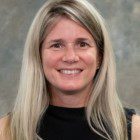
Sandra Wolfe Citty
PhD, APRN, FNP-BC, CNE, FASPEN

Clinical Professor

College of Nursing, University of Florida

GRECC Research Nurse

North Florida/South Georgia Veterans Health System

Gainesville, FL

Practical Approaches to Managing Nutrition Support Challenges in Patients Undergoing Organ Transplant

Kris Mogensen
MS, RD-AP, LDN, CNSC

Team Leader Dietitian Specialist

Department of Nutrition, Brigham and Women's Hospital

Boston, MA

The Medical/Surgical Considerations and Clinical Decision Making for Nutrition Support in Organ Transplant Recipients
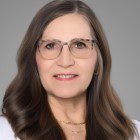
Jeanette Hasse
PhD, RD, LD, CNSC, CCTD, FASPEN, FADA

Transplant Nutrition Manager

Baylor Simmons Transplant Institute, Baylor University Medical Center

Dallas, TX

Moderators:

Beverly J.D. Hernandez

PhD, RD, LD/N, FAND

Director, Clinical Nutrition Services and Diabetes Nurse Specialist

Tampa General Hospital

Tampa, FL

The ASPEN Nutrition Guidelines for Adult Patients With Head and Neck Cancer (SU22)

Breakout

Date & Time:

February 15, 2026

10:30 AM – 12:00 PM PT

Format:

In Person & Virtual

CE Credits:

1.5 Hours

UAN: JA0002345-0000-26-012-L01-P

Course level:

Intermediate

session objectives:

What You'll Learn

  • Describe the methods for ASPEN guideline development.
  • Identify cutting-edge changes to practice recommendations in nutrition in head and neck cancer.
  • Evaluate the current state of the literature in the field of nutrition in head and neck cancer.

Topics & Presenters

ASPEN Adult Head and Neck Cancer Nutrition Guidelines: The Methods

Liam McKeever
PhD, RD, FASPEN

Director and Editor in Chief

ASPEN Clinical Guidelines, American Society for Parenteral and Enteral Nutrition

Assistant Professor of Clinical Nutrition

Rush University

Chicago, IL

Screening, Timing, Amounts, and Dosing Weight for Nutrition Support in Head and Neck Cancer

Jeannine Mills
MS, RDN, CSO, LD, CNSC

Clinical Dietitian/ Outpatient Oncology

Dartmouth Cancer Center

Lebanon, NH

Speech Pathology and Route of Feeding in Head and Neck Cancer

Jacqui Frowen
BSpPath(Hons), PhD

Clinical Lead Speech Pathologist

Peter MacCallum Cancer Center

Melbourne, Victoria, Australia

Interprofessional Team Efforts, Appetite Stimulants, Maintaining Oral Intake, and Use of Special-Purpose Nutrients in Head and Neck Cancer

Nicole Kiss
PhD, APD FDA

Associate Professor

Nutrition and Dietetics, Deakin University, School of Exercise and Nutrition Sciences

Melbourne, Victoria, Australia

Moderators:

Liam McKeever

PhD, RD, FASPEN

Director and Editor in Chief

ASPEN Clinical Guidelines, American Society for Parenteral and Enteral Nutrition

Assistant Professor of Clinical Nutrition

Rush University

Chicago, IL

The Questions Nobody Is Answering: Empirical Responses From the Experts (SU21)

Breakout

Date & Time:

February 15, 2026

10:30 AM – 12:00 PM PT

Format:

In Person & Virtual

CE Credits:

1.5 Hours

UAN: JA0002345-0000-26-011-L99-P

Course level:

Intermediate

session objectives:

What You'll Learn

  • Clarify common misconceptions related to nutrition support practices in critically ill patients.
  • Utilize guideline recommendations for managing micronutrient deficiencies.
  • Explore strategies for defining nutrition support goals in challenging ICU scenarios.

Topics & Presenters

A Dietitian’s Take: Real-World Nutrition Questions in the ICU

Ashley DePriest
MS, RDN, LD, CNSC, FCCM

Clinical Dietitian

Grady Healthcare

Atlanta, GA

A Surgeon’s Take: Critical Care Nutrition Dilemmas

David Evans
MD, FACS, FCCM, FASPEN

Adjunct Clinical Professor of Surgery

Ohio University

Trauma, Critical Care, and Acute Care Surgeon

Trauma and Surgical Services, OhioHealth Grant Medical Center

Medical Director, Nutrition Support Team

Trauma and Surgical Services, OhioHealth Grant Medical Center

Columbus, OH

A Pharmacist’s Take: Formulating Solutions in Critical Care Nutrition

Diana Mulherin
PharmD, BCNSP, BCCCP, FCCM, FASPEN

Clinical Pharmacist Specialist, Nutrition Support

Vanderbilt University Medical Center

Nashville, TN

Moderators:

Sarah Cogle

PharmD, BCCCP, BCNSP, FCCM, FASPEN

Clinical Pharmacist Specialist and Team Lead

Burn Critical Care/Nutrition Support, Vanderbilt University Medical Center

Nashville, TN

Navigating Home Parenteral Nutrition (HPN): An Interprofessional Team Approach to Pediatric HPN Success (SU20)

Breakout

Date & Time:

February 15, 2026

10:30 AM – 12:00 PM PT

Format:

In Person & Virtual

CE Credits:

1.5 Hours

UAN: JA0002345-0000-26-010-L99-P

Course level:

Intermediate

Pediatric Content Included

session objectives:

What You'll Learn

  • Develop a comprehensive consultation process to identify appropriate candidates for HPN.
  • Create an intensive inpatient education protocol to mitigate risk for ambulatory CLABSI, CVC complications and hospital readmissions.
  • Identify the role of the dietitian as part of the healthcare team in developing strategies for prevention, diagnosis, and standardization of management of vitamin and micronutrient deficiencies in pediatric HPN.
  • Discuss the role of the clinical social worker as part of the healthcare team in the assessment and risk mitigation for pediatric HPN patients and ongoing support from inpatient to home.
  • Explain the pharmacist’s role as part of the healthcare team in identifying compounding errors, managing drug shortages, and creating unique travel regimens.

Topics & Presenters

From Assessment to Action: Elevating Pediatric Home PN Safety through Consultation and Education

Jennifer T. McClelland
MS, FNP-BC

APN III, Home PN Clinical Coordinator

Home Parenteral Nutrition Program, Boston Children's Hospital

Boston, MA

The Importance of Initial and Ongoing Social Work Assessment When Considering Home PN

Jessica McCaig
MSW, LICSW, PMH-C

Clinical Social Worker II

Center for Advanced Intestinal Rehabilitation, Boston Children's Hospital

Boston, MA

Micronutrient and Vitamin Deficiencies in Home PN: How to Identify and Manage

Brittany DePaula
RD, LDN, CNSC

Senior Clinical Nutrition Specialist

Division of Gastroenterology, Hepatology and Nutrition, Boston Children's Hospital

Boston, MA

Pharmacists Are Your Friend! The Important Role a Pharmacist Can Play On Your Home PN Team

Margaret Murphy
PharmD, BCNSP

Senior Clinical Pharmacist

Home Parenteral Nutrition Program, Boston Children's Hospital

Boston, MA

Moderators:

Beth Deen

PharmD, BCNSP, BCPPS

Senior Clinical Pharmacy Specialist, Nutrition Support

Cook Children’s Medical Center

Fort Worth, TX

Dudrick Research Symposium: The Protein Hype: Are We Getting it Right in Aging, Obesity, and Chronic Disease? (SU10)

General Session

Date & Time:

February 15, 2026

8:00 AM – 9:30 AM PT

Format:

In Person & Virtual

CE Credits:

1.5 Hours

UAN: JA0002345-0000-26-009-L01-P

Course level:

Advanced

session objectives:

What You'll Learn

Despite decades of research, protein recommendations for older adults and patients with acute and chronic disease remain generalized and often inadequate. Emerging evidence, spanning tracer methodology, body composition phenotyping, and functional outcomes, suggests that traditional approaches may fall short in meeting the needs of diverse clinical populations. This symposium brings together global leaders in protein metabolism and clinical nutrition to challenge current paradigms and present updated insights on protein requirements in aging, obesity, cancer, and critical illness.

The faculty will discuss translational approaches, including targeted nutrition interventions and strategies to implement higher protein targets in practice. This session aims to provide clinicians and researchers with the tools to personalize protein recommendations across clinical settings.

Learning Objectives:

  • Describe alterations in protein and amino acid metabolism that occur in obesity, weight loss and a spectrum of clinical conditions, including aging, critical illness, and recovery.
  • Determine protein requirements for those experiencing rapid weight loss to ensure preservation of lean mass and function.
  • Summarize protein targets for those with inflammation, inactivity, and disease-specific catabolic stressors.
  • Develop targeted nutrition interventions with higher protein targets for those experiencing muscle loss related to chronic diseases, including cancer.

Topics & Presenters

Protein and Amino Acids in Obesity: Friends, Foes?

Yves Boirie
MD, PhD

Human Nutrition Unit

Clermont Auvergne University

Clinical Nutrition Department

Clermont-Ferrand University Hospital

Clermont-Ferrand, France

Redefining Protein Requirements in Clinical Care: From Aging to Critical Illness

Nicolaas Deutz
MD, PhD, Distinguished FASN

Director for the Center for Translational Research in Aging and Longevity

College of Education and Human Development, Texas A&M University

Professor

Kinesiology and Sport Management, Texas A&M University

College Station, TX

Translating the Protein Science: Strategies to Personalize Intake and Preserve Muscle in Cancer

Carla Prado
PhD, RD, FCAHS

Professor and CAIP Chair in Nutrition

Food & Health, University of Alberta

Director

Human Nutrition Research Unit, University of Alberta

Edmonton, AB, Canada

Moderators:

Carla Prado

PhD, RD, FCAHS

Professor and CAIP Chair in Nutrition

Food & Health, University of Alberta

Director

Human Nutrition Research Unit, University of Alberta

Edmonton, AB, Canada

Nutrition and Metabolism Research Paper Session: Parenteral Nutrition Therapy (SA24)

Paper Session

Date & Time:

February 14, 2026

2:30 PM – 4:00 PM PT

Format:

In Person & Virtual

CE Credits:

1.5 Hours

UAN: JA0002345-0000-26-007-L99-P

Course level:

Advanced

session objectives:

What You'll Learn

Today’s medical environment demands evidence-based practice, replicable results, and improved patient outcomes. Our abstract authors conduct research to help meet these challenges and provide breakthroughs in our knowledge and in our patient care. These sessions are dedicated to presentations of high-ranking abstracts. Abstracts are presented by topic, so you can explore cutting edge research on issues that interest you. The abstracts will also be published in the Journal of Parenteral and Enteral Nutrition (JPEN), making them part of the body of evidence available to guide your clinical care.

Topics & Presenters

A Causal and Agentic AI Model for Optimized TPN

Nima Aghaeepour
PhD

Professor

Stanford University

Stanford, CA

Comparing ChatGPT With Healthcare Provider Responses to Home Parenteral Nutrition Questions

Regina Barrera Flores
MS

Dietetic Intern

Brigham and Women's Hospital

Boston, MA

Catheter-Related Bloodstream Infections With Infective Endocarditis and Osteomyelitis in Patients Receiving Home Parenteral Nutrition: A Five-Year Retrospective Cohort Study

Selma Maria Boltz-Jensen

Student

Center for Nutrition and Intestinal Failure, Department of Gastroenterology, Aalborg University Hospital

Department of Health Science and Technology

Aalborg University

Aalborg, Nordjylland, Denmark

Catheter-Related Bloodstream Infections With Infective Endocarditis and Osteomyelitis in Patients Receiving Home Parenteral Nutrition: A Five-Year Retrospective Cohort Study

Jakob Møller Vandbæk

Student

Center for Nutrition and Intestinal Failure, Department of Gastroenterology, Aalborg University Hospital

Department of Health Science and Technology

Aalborg University

Aalborg, Nordjylland, Denmark

Insights on Disease Burden and Quality of Life for SBS Patients With Intestinal Failure From the Glepaglutide EASE SBS-1 Trial

David Mercer
MD, PhD, FRCS(C), FACS

Professor and Director

University of Nebraska Medical Center

Omaha, NE

Time-Adaptive Models for Estimating TPN Component Needs

Shanti L. Narasimhan
MD

Professor

University of Minnesota

Minneapolis, MN

Financial and Clinical Impacts of Reimbursement on Home Parenteral Nutrition: Insights From a Provider Survey

Jessica Younkman
RD, CNSC

Clinical Nutrition Manager

Soleo Health

Herndon, VA

Moderators:

Stanislaw Klek

MD, PhD

Professor of Surgery, Head of the Surgical Oncology Clinic

Maria Sklodowska-Curie National Cancer Institute

Krakow, Malopolska, Poland

Shift from Ethics as Theory to Ethics in Action: Real-World Clinical Practice (SA23)

Breakout

Date & Time:

February 14, 2026

2:30 PM – 4:00 PM PT

Format:

In Person & Virtual

CE Credits:

1.5 Hours

UAN: JA0002345-0000-26-006-L99-P

Course level:

Intermediate

session objectives:

What You'll Learn

  • Apply ethical principles and concepts in the practice setting.
  • Utilize ethical principles, evidence-based medicine, and best clinical practices to close practice gaps for the adult patient on PN throughout the disease trajectory in life-limiting illness.
  • Incorporate ethical concepts and principles into policy, protocols, education, and documentation to optimize patient experiences and outcomes.

Topics & Presenters

From Theory to Bedside: Applying an Ethical Framework to Navigate Parenteral Nutrition at the End-of-Llife

Alison Evans
RD, LD, CNSC

Clinical Liaison, Nutrition Support Dietitian

Amerita Specialty Infusion

Milton, GA

Getting Healthcare Professionals, Patients, and Family Members to Apply Ethical Principles and Concepts in Nutrition Care

Denise Schwartz
MS, RD, FADA, FAND, FASPEN

Bioethics Committee Community Member

Providence Saint Joseph Medical Center

Studio City, CA

Team-Based Ethics: Interprofessional Collaboration When Prescribing Parenteral Nutrition for the Adult Patient With Advanced Cancer

Jaylin Staunton
MS, RD, LDN, CNSC

Lead Clinical Dietitian Specialist

Fox Chase Cancer Center

Philadelphia, PA

Team-Based Ethics: Interprofessional Collaboration When Prescribing Parenteral Nutrition for the Adult Patient With Advanced Cancer

Dylan Sherry
MD, MA (Bioethics)

Assistant Professor

Supportive Oncology and Palliative Care Program, Fox Chase Cancer Center

Program Director

Hospice and Palliative Medicine Fellowship, Fox Chase Cancer Center

Director of Medical Education

Supportive Oncology and Palliative Care Program, Fox Chase Cancer Center

Philadelphia, PA

Moderators:

Albert Barrocas

MD, FACS, FASPEN

Adjunct Professor of Surgery

Tulane University School of Medicine

Atlanta, GA

Deteriorating Muscle Health in Clinical Conditions – Measuring and Attenuating Muscle Wasting (SA22)

Breakout

Date & Time:

February 14, 2026

2:30 PM – 4:00 PM PT

Format:

In Person & Virtual

CE Credits:

1.5 Hours

UAN: JA0002345-0000-26-005-L99-P

Course level:

Intermediate/Advanced

session objectives:

What You'll Learn

  • Define muscle health.
  • Examine the importance of muscle health and its determinants in diverse health conditions.
  • Identify opportunities to measure and interpret measurements of muscle health using diverse modalities of body composition.
  • Explore the benefits and pathways for combining nutrition and exercise rehabilitation as part of routine clinical care to mitigate or attenuate deteriorating muscle health in clinical conditions.

Topics & Presenters

Understanding the Importance of Deteriorating Muscle Health – What it Means to Your Patient and Why You Should be Concerned

Salvatore Carbone
PhD, RDN, FHFSA, FASPEN

Associate Professor and Director

Nutrition Program, EVMS School of Health Professions

Division of Endocrine and Metabolic Disorders

Strelitz Diabetes Center, EVMS Macon & Joan Brock Virginia Health Sciences at Old Dominion University

Norfolk, VA

Bedside Modalities to Screen for Poor Muscle Health

Carrie Earthman
PhD, RD

Professor, Nutrition, Health Behavior and Nutrition Sciences

University of Delaware

Newark, DE

Measuring Muscle Health: What Are Meaningful Measures of Muscle?

Marina Mourtzakis
PhD

Professor and Associate Dean, Research

Department of Kinesiology and Health Sciences, University of Waterloo

Health University Research Chair

University of Waterloo

Waterloo, Ontario, Canada

From Research to Practice: Are We Ready to Measure Muscle Health?

Christan Bury
MS, RD, LD, CNSC

Advanced Practice II Dietitian

Digestive Disease and Surgery Institute, Cleveland Clinic

Cleveland, OH

Moderators:

Marina Mourtzakis

PhD

Professor and Associate Dean, Research

Department of Kinesiology and Health Sciences, University of Waterloo

Health University Research Chair

University of Waterloo

Waterloo, Ontario, Canada

Intestinotrophic Hormones in Real Patients Today and Tomorrow (SA21)

Breakout

Date & Time:

February 14, 2026

2:30 PM – 4:00 PM PT

Format:

In Person & Virtual

CE Credits:

1.5 Hours

UAN: JA0002345-0000-26-004-L99-P

Course level:

Intermediate

Pediatric Content Included

session objectives:

What You'll Learn

  • Describe how teduglutide has changed the “art” of intestinal rehabilitation.
  • Examine the complexities of teduglutide management in the adult and pediatric patient.
  • Outline the potential use of longer acting GLP-2, GLP-1 and combination therapy in the future.

Topics & Presenters

How the Art of Intestinal Rehabilitation Has Changed

Amir Kamel
PharmD, BCNSP, FASPEN

Clinical Pharmacy Specialist Nutrition Support and Critical Care

Department of Pharmacy, University of Florida Health Shands

Gainesville, FL
Real World Experience Utilizing Teduglutide in Adults

Cassandra A. Pogatschnik
RD, LD, CNSC, CCTD

Advanced Practice Clinical Dietitian

Center for Gut Rehabilitation and Transplantation, Cleveland Clinic

Cleveland, OH

Real World Experience Utilizing Teduglutide in Pediatrics Part 1

Alexandra Carey
MD

Vice-Chairman of Pediatric General Surgery and Pediatric Gastroenterologist

Department of Surgery, Boston Children's Hospital

Assistant Professor of Pediatrics

Harvard Medical School

Boston, MA

Real World Experience Utilizing Teduglutide in Pediatrics Part 2

Brittany DePaula
RD, LDN, CNSC

Senior Clinical Nutrition Specialist

Division of Gastroenterology, Hepatology and Nutrition, Boston Children's Hospital

Boston, MA

Possible Intestinotrophic Therapies of the Future

Palle Bekker Jeppesen
MD, PhD

Associate and Clinical Professor

Department of Digestive Diseases, Transplantation, and General Surgery, Rigshospitalet University of Copenhagen

Copenhagen, Hovedstaden, Denmark

Moderators:

Shirley Paski

MD, MSc, FRCPC, CNSC

Gastroenterologist

Department of Gastroenterology, Hepatology and Nutrition, Center for Human Nutrition and Center for Digestive Disease, Cleveland Clinic

Cleveland, OH

Nutrition Support Management in Nano-Preterm Infants: Navigating the Complexities Among Infants Born Less Than 25 Weeks or 750 Grams (SA20)

Breakout

Date & Time:

February 14, 2026

2:30 PM – 4:00 PM PT

Format:

In Person & Virtual

CE Credits:

1.5 Hours

UAN: JA0002345-0000-26-003-L99-P

Course level:

Intermediate

Pediatric Content Included

session objectives:

What You'll Learn

  • Outline the unique physiological aspects of nano-preterm infants that impact enteral and parenteral nutrition support tolerance and requirements after birth.
  • Analyze available evidence and considerations regarding enteral and parenteral nutrition support practices among a nano-preterm population.
  • Identify knowledge gaps related to the nutrition support of nano-preterm infants and list suggested areas of future nutrition research.

Topics & Presenters

Enteral Nutrition Support:  Current Evidence, Knowledge Gaps, and Considerations

Melissa Thoene
MS, PhD, RD

Associate Professor

UNMC Division of Neonatology, University of Nebraska Medical Center

Registered Dietitian

UNMC Division of Neonatology, University of Nebraska Medical Center

Omaha, NE

Overview of the Unique Physiological Considerations of Nano-Preterm Infants

Maria del Mar Romero López
MD, MS, PhD

Assistant Professor/Neonatologist, Neonatal-Perinatal Medicine and the Institute for Clinical Research and Learning Health Care

Department of Pediatrics, McGovern Medical School , UTHealth Houston

Houston, TX

Parenteral Nutrition Support:  Current Evidence, Knowledge Gaps, and Considerations

Mamta Naik
RD, PharmD, BCPPS

Registered Dietitian/Pharmacist

Children’s Memorial Hermann Hospital–Texas Medical Center

Houston, TX

Moderators:

Ann Anderson-Berry

MD, PhD

Division Chief of Neonatology

Division of Neonatology, University of Nebraska Medical Center

Omaha, NE