Clinical Practice Enhancement Through Inquiry and Dissemination: A Focus on Performance Improvement, Evidence-Based Practice, and Research (M43)

Breakout

Date & Time:

February 16, 2026

3:45 PM – 5:15 PM PT

Format:

In Person & Virtual

CE Credits:

1.5 Hours

UAN: JA0002345-0000-26-042-L99-P

Course level:

Intermediate

session objectives:

What You'll Learn

  • Assess pathways to engage in quality improvement, evidence-based practice, innovation, and research in clinical practice; discuss how these activities enhance patient care and professionalism.
  • Outline a structured approach to reviewing a scientific manuscript.
  • Discuss the importance of disseminating findings from clinical projects and research to the broader nutrition support community and identify tools and resources to support the process.

Topics & Presenters

Performance Enhancement: Designing Projects with Impact and Dissemination in Mind

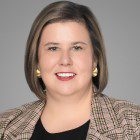
Abby A. Gramlick-Mueller
DNP, APRN-CNP, RD, CCM

Nurse Scientist

Center for Care Management, Sanford USD Medical Center

Sioux Falls, RI

Preparing your Research Report for Dissemination

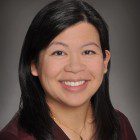
Mary McCarthy
PhD, RN, FASPEN, FAAN

Nurse Scientist

Madigan Army Medical Center

Tacoma, WA

Critical Evaluation of Journal Articles: Becoming a Thoughtful Peer Reviewer

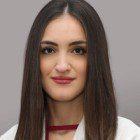
Jeanette Hasse
PhD, RD, LD, CNSC, CCTD, FASPEN, FADA

Transplant Nutrition Manager

Baylor Simmons Transplant Institute, Baylor University Medical Center

Dallas, TX

Moderators:

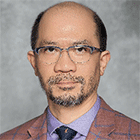
Carol M. McGinnis

DNP, APRN-CNS, CNSC, FASPEN

Clinical Nurse Specialist

Center for Care Management, Sanford USD Medical Center

Sioux Falls, SD

Surfs Up! Development of Successful Disaster Preparation Plans for Nutrition Support Patients (M42)

Breakout

Date & Time:

February 16, 2026

3:45 PM – 5:15 PM PT

Format:

In Person & Virtual

CE Credits:

1.5 Hours

UAN: JA0002345-0000-26-041-L99-P

Course level:

Intermediate

session objectives:

What You'll Learn

  • Identify core systems and services that must be accounted for in an organization’s disaster plan.
  • List components of a comprehensive disaster plan for organizations and patients.
  • Demonstrate steps involved in completing a disaster plan drill, evaluation, and assessment.

Topics & Presenters

Preparing for a Disaster: Trucks, Planes and Mules?

Brenda Gray
PharmD, CNSC, BCNSP, CVAAc, VA-BC, BCSCP, FASPEN

Senior Clinical Educator

Clinical Pharmacy Partners

Tampa, FL

Stay Safe Getting the Job Done - What Worked and What Flopped

Elena Stoyanova
MSN, RN, CCRN-K

Clinical Nurse

Nutrishare, LLC

Kansas City, MO

Grab Your Go Bag - Supporting Nutrition Support Patients in Disaster Management and Recovery

Kari Personius
PharmD

Senior Clinical Pharmacist

UC Davis Home Infusion

Sacramento, CA

Moderators:

Brenda Gray

PharmD, CNSC, BCNSP, CVAAc, VA-BC, BCSCP, FASPEN

Senior Clinical Educator

Clinical Pharmacy Partners

Tampa, FL

Lillian Harvey Banchik

MD, FACS, FASPEN, CVAAc, VA-BC, DABS

Retired Physician

San Diego, CA

Clinical Malnutrition Diagnosis Updates (M41)

Breakout

Date & Time:

February 16, 2026

3:45 PM – 5:15 PM PT

Format:

In Person & Virtual

CE Credits:

1.5 Hours

UAN: JA0002345-0000-26-040-L99-P

Course level:

Intermediate

Pediatric Content Included

session objectives:

What You'll Learn

  • Determine the risk of malnutrition as the first step in diagnosing malnutrition.
  • Describe practical aspects of how nutrient intake and assimilation can be assessed.
  • Integrate malnutrition diagnosis for patients in the trauma ICU.
  • Summarize a novel project to develop consistent language in the diagnosis of malnutrition in children in clinical contexts.

Topics & Presenters

Assessing Risk of Malnutrition as the First Step in Diagnosing Malnutrition

Marian de van der Schueren
PhD, RDN

Professor of Nutrition, Dietetics, and Lifestyle

Hanze University of Applied Sciences

Professor, Dietetics

Wageningen University & Research

Nijmegen, Netherlands

A Practical Assessment of Food Intake and Assimilation

Renee Blaauw
PhD, RDN

Professor, Therapeutic Nutrition

Division of Human Nutrition, Stellenbosch University

Stellenbosch, , South Africa

Integrating Malnutrition Diagnosis into the Trauma ICU

Stacy Pelekhaty
MS, RDN, LDN, CNSC, FAND, FASPEN

Senior Clinical Nutrition Specialist

University of Maryland Medical Center

Baltimore, MD

Developing Global Consensus About Diagnosing Malnutrition in Children in Clinical Settings

Ajay Jain
MD

Professor of Pediatrics, Pharmacology, and Physiology

Division of Pediatric Gastroenterology, Saint Louis University

Chief of the Division of Pediatric Gastroenterology, Hepatology and Nutrition

SSM Health Cardinal Glennon Children's Hospital

Director, Pediatric Liver Transplantation

SSM Health Cardinal Glennon Children's Hospital

St. Louis, MO

Moderators:

Gordon Jensen

MD, PhD

Senior Associate Dean for Research Emeritus

Larner College of Medicine at the University of Vermont

Professor of Medicine and Nutrition Emeritus

Larner College of Medicine at the University of Vermont

Burlington, VT

Using the Gut to Help it Grow: Enteral Therapies in Pediatric Short Bowel Syndrome (M40)

Breakout

Date & Time:

February 16, 2026

3:45 PM – 5:15 PM PT

Format:

In Person & Virtual

CE Credits:

1.5 Hours

UAN: JA0002345-0000-26-039-L01-P

Course level:

Intermediate

Pediatric Content Included

session objectives:

What You'll Learn

  • Formulate a plan to transition an infant with short bowel syndrome to a toddler formula, considering patient-specific factors such as gastrointestinal anatomy, presence of a gastrostomy tube, and the need for ongoing parenteral support.
  • Categorize the types of fiber available and describe how using fiber may impact patients with intestinal failure.
  • Describe what is known of the microbiome in patients with short bowel syndrome and how the addition of pre- and probiotics may help or harm patients.

Topics & Presenters

How Fiber Can Help and Hurt Patients with Intestinal Failure

Candi Jump
DO, MSEd, CNSC

Associate Professor of Pediatrics

Pediatrics, Medical University of South Carolina

Charleston, SC

Choosing the Right Enteral Product in Patients with Short Bowel Syndrome

Tegan Medico
MS, MPH, RDN, CNSC

Clinical Dietitian IV

University of Virginia Health

Charlottesville, VA

Pre and Probiotics in Intestinal Failure, the Practicalities and Scientific Basis

Tanyaporn (Katie) Kaenkumchorn
MD

Assistant Professor of Pediatrics

Children's Hospital of Wisconsin

Milwaukee, WA

Moderators:

Catherine Larson-Nath

MD, CNSC

Associate Professor

Department of Pediatrics, University of Minnesota Medical School

Director of Intestinal Rehabilitation Program

Pediatric Gastroenterology, Hepatology, and Nutrition, University of Minnesota Medical School

Minneapolis, MN

Fueling the Failing Liver: Nutrition Therapy for Liver Disease (M33)

Breakout

Date & Time:

February 16, 2026

2:00 PM – 3:30 PM PT

Format:

In Person & Virtual

CE Credits:

1.5 Hours

UAN: JA0002345-0000-26-036-L01-P

Course level:

Intermediate

session objectives:

What You'll Learn

  • Identify key micronutrient deficiencies commonly seen in patients with chronic liver disease, interpret appropriate laboratory markers for diagnosis, and apply evidence-based strategies for repletion and monitoring.
  • Define frailty in the context of chronic liver disease, describe validated clinical assessment tools, and explain the underlying pathophysiological mechanisms and contributing factors that lead to frailty in this population.
  • Describe the role of prehabilitation in improving clinical outcomes in frail and malnourished patients with cirrhosis, including key components of interprofessional healthcare team care involving nutrition, physical therapy, and medical management.

Topics & Presenters

Micronutrient Minefield: Identifying and Treating Deficiencies in Chronic Liver Disease

Astrid Ruiz Margain
MSc, PhD

Head of Liver Nutrition Clinic

Division of Hepatology and Liver Transplant, National Institute of Medical Sciences and Nutrition, Salvador Zubirán

Mexico City, Distrito Federal, Mexico

Frailty in Focus: Etiology, Mechanisms, and Measurement in Chronic Liver Disease

Puneeta Tandon
MD

Associate Professor

Department of Medicine, University of Alberta

Edmonton, Alberta, Canada

Liver in Limbo: Prehabilitation to Improve Outcomes Before Transplant

Jeanette Hasse
PhD, RD, LD, CNSC, CCTD, FASPEN, FADA

Transplant Nutrition Manager

Baylor Simmons Transplant Institute, Baylor University Medical Center

Dallas, TX

Moderators:

Jeanette Hasse

PhD, RD, LD, CNSC, CCTD, FASPEN, FADA

Transplant Nutrition Manager

Baylor Simmons Transplant Institute, Baylor University Medical Center

Dallas, TX

Knowing What to Ask: A Crucially Overlooked Component of Shared Decision Making (M32)

Breakout

Date & Time:

February 16, 2026

2:00 PM – 3:30 PM PT

Format:

In Person & Virtual

CE Credits:

1.5 Hours

UAN: JA0002345-0000-26-035-L99-P

Course level:

Intermediate

session objectives:

What You'll Learn

  • Describe the key principles of the shared decision-making model of practice and the feasibility of the shared decision-making model in the current state of nutrition support care.
  • Define the importance of bi-directional care ownership.
  • Demonstrate how to better equip patients on their nutrition support journeys to be informed decision makers and active care participants.

Topics & Presenters

Is Shared Decision-Making Truely Shared?

Kalee Eichelberger
MS, RD, LD/N, CNSC, CHES

Education Manager

The Oley Foundation

Nutrition Support Dietitian

Orlando Health

Orlando, FL

Knowing What to Ask: The Patient Perspective

Vincent Rosche

Community Engagement Coordinator

The Oley Foundation

Tampa, FL

The Role of the Provider: Questions We Should be Addressing Throughout the Nutrition Support Journey

Berri Burns
MSEd, RD, LD, CNSC

Advanced Practice II Registered Dietitian

Infusion Pharmacy at Home/Center for Connected Care, Cleveland Clinic

Cleveland, OH

The Role of the Provider: Questions We Should be Addressing Throughout the Medical Care Journey

Lindsey Russell
MD, MSc, CNSC, FRCPC

Gastroenterologist

Digestive Disease and Surgery Institute, Cleveland Clinic

Cleveland, OH

Moderators:

Andrea Taylor

RD, CNSC

Outpatient Clinical Nutrition Specialist

Pediatric Gastroenterology, Hepatology and Nutrition, University of Rochester Golisano Children's Hospital

Rochester, NY

Bruce R. Bistrian Nutrition Mentorship Award Lecture: The Future of Clinical Nutrition is Bright: Through Mentoring and Networking, With a Little Help from My Friends (SU31)

Breakout

Gil Hardy
PhD, FRSC, FASPEN
Read Biography

Gil Hardy is Emeritus Professor of Clinical Nutrition in New Zealand. He conducted research with Nobel Prize winner Professor Sir Hans Krebs in Oxford and, with colleagues in London, developed the first 3L PN bag. A founder member of BAPEN and BPNG, Gil served on AuSPEN, UK and NZ Nutrition Society Councils, and is a faculty member of ESPEN. Since the first clinical congress in 1977, he has been associated with ASPEN, serving on various committees, including the Board of Directors from 2020 to 2022, and the international human rights working group for clinical nutrition. He has an international reputation with 250+ publications on lipids, glutamine, selenium, and chyme reinfusion therapy, with awards from Asia, Australia, Europe, and Latin America, including the Distinguished International Nutrition Support Specialist Award from ASPEN in 2014, and was the first chairman of the International Clinical Nutrition Section (ICNS). He is the 2025 ASPEN Nutrition Champion award recipient.

Date & Time:

February 15, 2026

2:00 PM – 3:00 PM PT

Format:

In Person & Virtual

CE Credits:

1.0 Hours

UAN: JA0002345-0000-26-034-L99-P

Course level:

Intermediate

session objectives:

What You'll Learn

  • Summarize the rewards of mentoring in pharmaceutical and clinical nutrition.
  • Identify professional benefits that can be obtained from international networking and interprofessional mentoring with examples of good mentor and mentee relationships.
  • Explore how mentoring can advance clinical practice and speculate on possible scenarios for achieving a bright future for clinical nutrition.

Topics & Presenters

The Future of Clinical Nutrition is Bright: Through Mentoring and Networking, With a Little Help from My Friends

Gil Hardy
PhD, FRSC, FASPEN

Director

Ipanema Research Trust

Emeritus Professor of Clinical Nutrition

Massey University

Auckland, New Zealand

Unraveling the POTS, MCAS, and EDS Triad: Gastrointestinal Manifestations and Nutritional Challenges (M30)

Breakout

Date & Time:

February 16, 2026

1:30 PM – 3:30 PM PT

Format:

In Person & Virtual

CE Credits:

2.0 Hours

UAN: JA0002345-0000-26-033-L01-P

Course level:

Intermediate

session objectives:

What You'll Learn

  • Analyze the overlapping gastrointestinal symptoms in patients with POTS, MCAS, and EDS to improve differential diagnosis and interprofessional healthcare team planning.
  • Evaluate the nutritional challenges and risks associated with these disorders, including the recognition and management of Avoidant/Restrictive Food Intake Disorder (ARFID).
  • Develop individualized nutrition support strategies, incorporating diet modifications and supplementation, to address the complex needs of patients with POTS, MCAS, and EDS.

Topics & Presenters

Nutritional Issues in POTS/MCAS/EDS: Background and Foundational Context

John DiBaise
MD, FACG, FASPEN

Professor of Medicine

Division of Gastroenterology and Hepatology, Mayo Clinic

Consultant

Division of Gastroenterology and Hepatology, Mayo Clinic

Phoenix, AZ

Dysmotility and Nutrition Support

Manpreet Mundi
MD, FASPEN

Professor of Medicine

Division of Endocrinology, Diabetes, Metabolism, and Nutrition, Mayo Clinic

Rochester, MN

ARFID and GI Disorders: Best Practices

Janelle Smith
RD, MS

Registered Dietitian Nutritionist

Gastroenterology Nutrition, UCLA Health

Torrance, CA

Moderators:

Jennifer Katz

MD, FACG, PNS

Assistant Professor of Medicine

Gastroenterology and Hepatology , NYU Langone Health

New York, NY

Current Insights Into Critical Care Nutrition (SU44)

Breakout

Date & Time:

February 15, 2026

3:45 PM – 5:15 PM PT

Format:

In Person & Virtual

CE Credits:

1.5 Hours

UAN: JA0002345-0000-26-025-L99-P

Course level:

Intermediate/Advanced

session objectives:

What You'll Learn

  • Interpret results from large RCTs and understand potential translation to bedside practice.
  • Identify readiness for feeding initiation and advancement.
  • Evaluate the changing picture of energy and protein requirements throughout the ICU stay.
  • Utilize currently available biomarkers and emerging strategies for patient monitoring.

Topics & Presenters

Clinical Trials Influencing Daily Practice

Zheng Yii Lee
PhD, MSc

Postdoctoral Researcher

Department of Anesthesiology, University of Malaya

Faculty of Medicine

University of Malaya

Kuala Lumpur, Malaysia

The Changing Picture of Energy Expenditure, Delivery and Tolerance

Meghan Lewis
MD, FACS

Associate Professor of Clinical Surgery

Keck School of Medicine, University of Southern California

Director, Surgical ICU and Director, TPN Services

Los Angeles General Medical Center

Los Angeles, CA

Are Protein Requirements Patient and Time Specific?

Zheng Yii Lee
PhD, MSc

Postdoctoral Researcher

Department of Anesthesiology, University of Malaya

Faculty of Medicine

University of Malaya

Kuala Lumpur, Malaysia

Precision Medicine in ICU Nutrition: The Role of Biomarkers Today and Tomorrow

Christian Stoppe
FAHA, FESC

Professor of Medicine

Department of Cardiac Anesthesiology and Intensive Care Medicine, German Heart Center Charité

Berlin, Germany

Moderators:

Beth Taylor

DCN, RD-AP, FASPEN, FCCM

Research Scientist

Barnes-Jewish Hospital

St. Louis, MO

Nutrition Interventions for Patients With Cardiovascular Diseases: An Outcome-Oriented Approach (SU43)

Breakout

Date & Time:

February 15, 2026

3:45 PM – 5:15 PM PT

Format:

In Person & Virtual

CE Credits:

1.5 Hours

UAN: JA0002345-0000-26-024-L01-P

Course level:

Advanced

session objectives:

What You'll Learn

  • Create personalized strategies for optimizing macronutrient delivery in patients with cardiovascular diseases to improve clinical outcomes.
  • Evaluate the eligibility of and approach towards iron supplementation in patients with chronic heart failure.
  • Assess and monitor body composition in patients with cardiovascular diseases using the best approaches.

Topics & Presenters

Body Composition in Cardiovascular Diseases: Moving Beyond BMI to What Truly Matters

Salvatore Carbone
PhD, RDN, FHFSA, FASPEN

Associate Professor and Director

Nutrition Program, EVMS School of Health Professions

Division of Endocrine and Metabolic Disorders

Strelitz Diabetes Center, EVMS Macon & Joan Brock Virginia Health Sciences at Old Dominion University

Norfolk, VA

Personalized Nutrition Support Strategy for Patients with Chronic Cardiovascular Diseases

Amanda Vest
MBBS, MPH

Section Head, Heart Failure & Transplant Cardiology, George M. & Linda H. Kaufman Endowed Chair, Miller Family Heart, Vascular and Thoracic Institute

Cleveland Clinic, Cleveland, OH

Cleveland, OH

Improving Outcomes of Patients With Chronic Heart Failure – Focusing on Iron Status

Leo F. Buckley
PharmD, MPH

Assistant Professor

Division of Cardiology, Department of Internal Medicine, UT Southwestern Medical Center

Assistant Professor

Department of Epidemiology, UT Southwestern Peter O’Donnell Jr. School of Public Health

Dallas, TX

Moderators:

Lingtak-Neander Chan

PharmD, BCNSP, FASPEN

Professor of Pharmacy, Interdisciplinary Faculty in Nutritional Sciences

School of Pharmacy, University of Washington

Seattle, WA