
By Debra Ben Avram, FASAE, CAE, Former ASPEN CEO
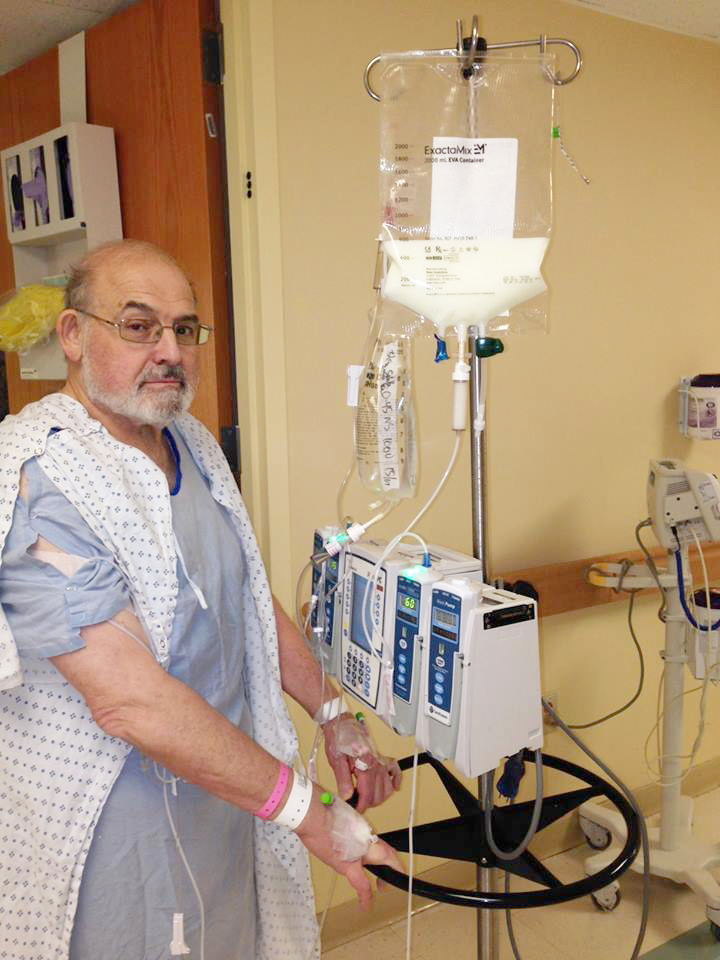
What does malnutrition look like? Probably very different than you think. In fact, all too frequently, it looks a lot like my Dad.
A while back, Dad was admitted to the hospital. He had no appetite and had lost a significant amount of weight, but because he was not underweight and did not appear malnourished, his nutritional state was not assessed. In the hospital, Dad grew weaker, and it wasn’t until 10 days into his stay that he was started on nutrition intervention.
When a patient doesn’t get the calories they need — because of illness-induced loss of appetite, gastrointestinal symptoms, or a reduced ability to chew or swallow — not only can complications develop, but recovery can be significantly affected. Without nutrition support, Dad’s outcomes could have been very different.
Unfortunately, his experience isn’t uncommon. Disease-related malnutrition in the elderly accounts for the majority of malnutrition cases in the US. The causes of malnutrition in older adults are a complex blend of physical, social, and psychological issues — from the loss of appetite due to depression to the inability to get to the store for groceries. And the symptoms of disease-related malnutrition can mirror the signs of aging: unplanned weight loss, feeling weak or tired, loss of appetite, swelling or fluid accumulation, and being able to eat only in small amounts.
Every September, ASPEN hosts Malnutrition Awareness Week™ to increase awareness of malnutrition, offer education on its signs and treatment, and drive progress toward early nutrition intervention — so that stories like my Dad’s become a thing of the past.